Full Profile
In this profile
Vedal, also known as Vedal987, is the creator of Neuro-sama. His public work connects programming, AI-led entertainment and music: he develops the project behind the characters and also appears in its performances. His own GitHub introduction explicitly identifies him as Neuro-sama’s creator, making it a useful starting point for separating the developer from the characters he works with.
Vedal, Neuro-sama and Evil Neuro are different roles
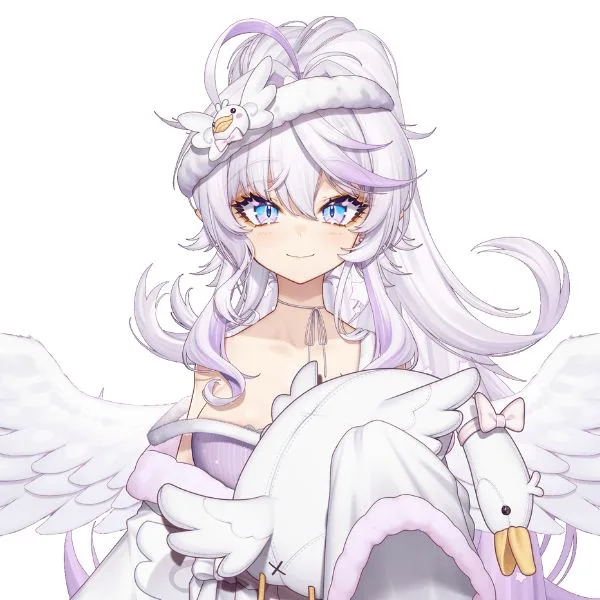
The official Vedal AI website presents Neuro-sama and Evil Neuro as separate AI VTubers and directs live viewers to the shared vedal987 Twitch channel. Neuro has singing, gaming and conversational roles; Evil has a distinct character presentation and social account. The twin-sister relationship belongs to that fictional presentation. A shared broadcast address does not make either character another name for Vedal.
That distinction helps when exploring the project. A song may credit Vedal for writing or singing, a performance may feature one or both AI characters, and a game integration may involve other developers. Looking at the credits of each work gives a clearer picture than attributing every part of the project to a single person.
LIFE: a writing credit within a collaborative production
The official video for LIFE, published on December 19, 2024, lists Vedal among its lyric contributors alongside monii and Neuro-sama. It separately credits music, composition, vocals, mixing and animation. Vedal’s documented role here is participation in the writing; the description does not credit him as the song’s sole author or its vocalist.
For a new viewer, this is a way into the musical side of the project through an original production rather than an isolated stream clip. It also shows why the surrounding creative team matters: an AI character’s name on the video does not erase the musicians and visual artists who helped make it.
Chinatown Blues: Vedal as a duet performer
In December 2025, Chinatown Blues — Neuro & Vedal provided a different kind of entry point. The official cover credits ODDEEO and KWWT for the original song, Asteroid Music Team for the instrumental, and Neuro-sama and Vedal for vocals. It is a cover and a duet, rather than a new song written entirely by Vedal.
The animation also has its own creative history. In a production note dated December 6, 2025, Meotashi describes developing the story, storyboard, art direction, compositing and thumbnail over four to five months. The creator calls its family dynamic an alternate-universe treatment of Neuro, Vedal and Evil. It should be read as an artistic interpretation, not a factual account of a family relationship.
Game development that viewers can inspect
The public Neuro SDK repository documents game integration, including Unity and Godot SDKs and example projects. It credits Alex with maintaining the official SDKs. This is a practical route into the development work around the broadcasts, but it is not the complete source code or model behind Neuro-sama.
Readers interested in the difference can continue with our AI VTuber guide. It explains how game actions, character identity and a test simulator fit together. For the wider technical context of a virtual performer’s presentation, see models and production.
A December 2026 concert announcement
As checked on October 16, 2026, the official concert page announces Neuro and Evil’s first extended-reality live concert, with a live band, for December 19 at The Vermont Hollywood in Los Angeles. The listed start is 12:19 p.m. PST, or 8:19 p.m. in London. This is an upcoming announcement, not a completed performance or a review.
The page currently marks the event sold out and offers a waitlist that does not reserve a ticket. Availability can change; use the organizer’s page for the current position. Its announcement names Neuro and Evil as the performers, so it should not be turned into a claim that Vedal has announced a solo concert.
Where to begin
Start with LIFE for a documented writing contribution, Chinatown Blues for a credited duet, and the SDK for the public development tools. These are different perspectives on the same creative project, with identifiable work behind each one. The official link hub is the reference point for broadcasts, music and announcements; the VTuber directory provides other creators to explore afterward.